
What Is the Automotive Industry?
The automotive industry is one of the largest and most complex industries in the world. It involves designing, manufacturing, selling, and servicing vehicles—from cars and trucks to buses and motorcycles.
But the automotive industry is not just about making vehicles. It is a massive ecosystem that includes:
- Design and engineering teams
- Component suppliers and manufacturers
- Assembly plants and factories
- Dealerships and sales networks
- After-sales service centers
- Logistics and supply chain operations
Understanding how this industry works helps you see how vehicles move from concept to customer—and why it matters to the global economy.
How the Automotive Industry Works
The automotive industry follows a structured value chain:
1. Design and Development
Every vehicle starts with design. Engineers and designers work together to create concepts, test prototypes, and ensure the vehicle meets safety, performance, and regulatory standards.
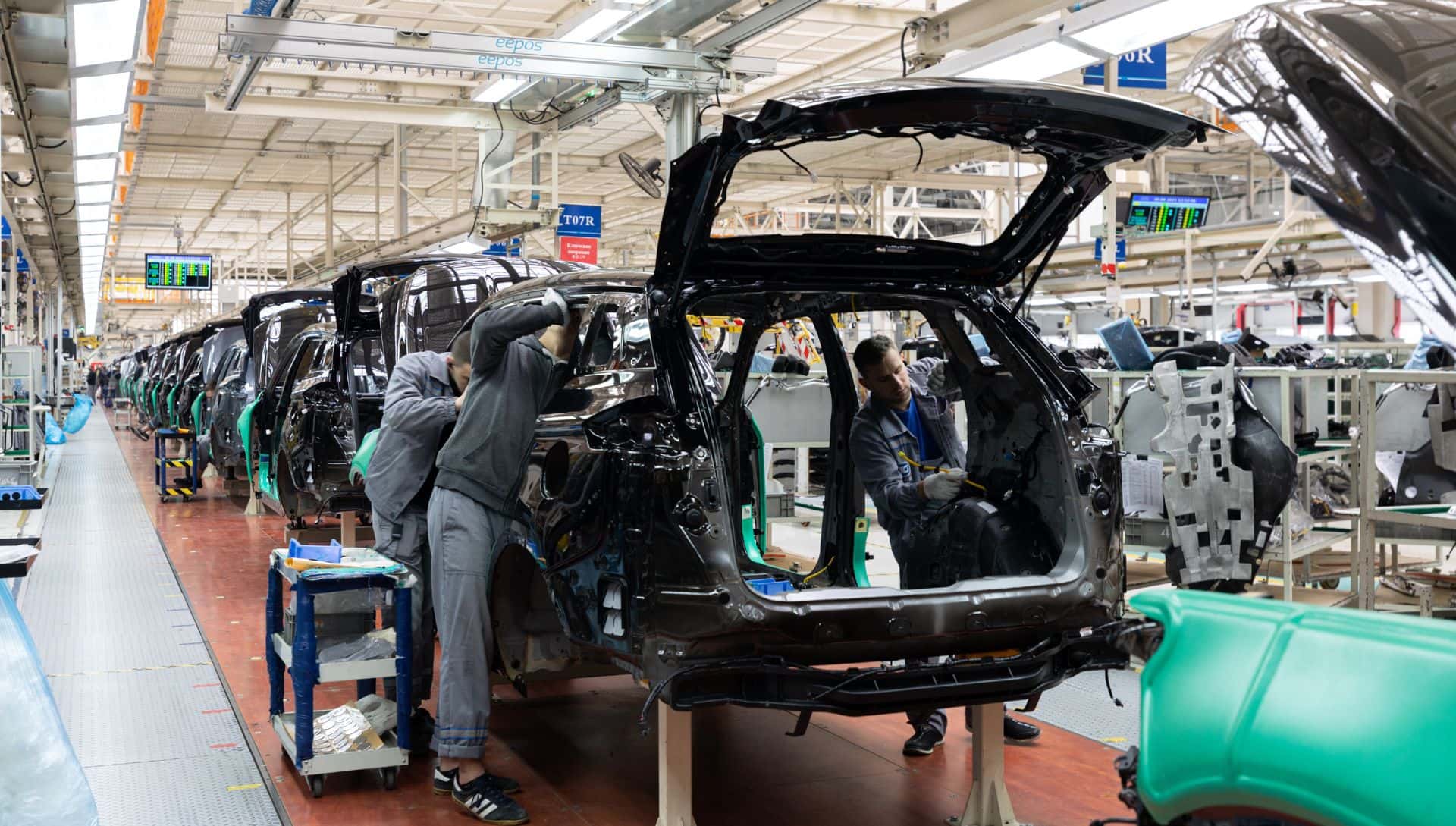
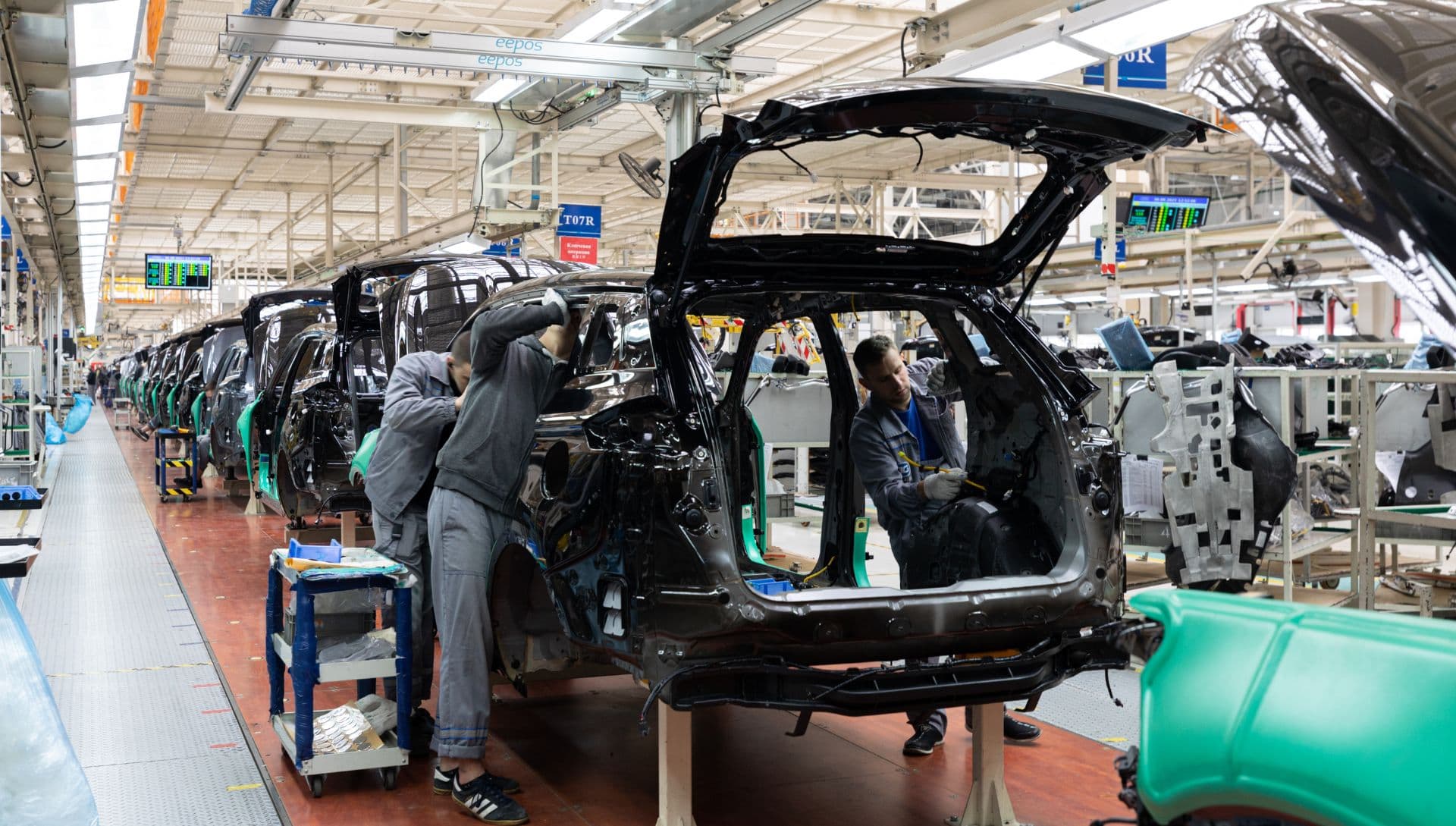
2. Manufacturing and Assembly
Once the design is finalized, the manufacturing process begins. This involves:
- Sourcing raw materials like steel, aluminum, and plastics
- Manufacturing components like engines, transmissions, and electronics
- Assembling vehicles on production lines
- Quality testing and inspection
3. Distribution and Sales
After manufacturing, vehicles are distributed to dealerships through logistics networks. Sales teams work with customers to sell vehicles, often offering financing and insurance options.
4. After-Sales and Service
The relationship doesn't end after the sale. Service centers provide maintenance, repairs, and spare parts to keep vehicles running smoothly.
Why the Automotive Industry Still Matters
Despite the rise of electric vehicles and new mobility solutions, the automotive industry remains critical because:
- It employs millions of people globally
- It drives innovation in technology, safety, and sustainability
- It supports related industries like steel, electronics, and logistics
- It enables personal and commercial transportation
The Automotive Value Chain
The automotive value chain includes several key players:
- OEMs (Original Equipment Manufacturers): Companies like Toyota, Ford, and Volkswagen that design and assemble vehicles
- Tier 1, 2, and 3 Suppliers: Companies that supply components and parts
- Dealers and Distributors: Networks that sell vehicles to customers
- Service Providers: Workshops and centers that maintain vehicles
Key Trends Shaping the Automotive Industry
The automotive industry is evolving rapidly with trends like:
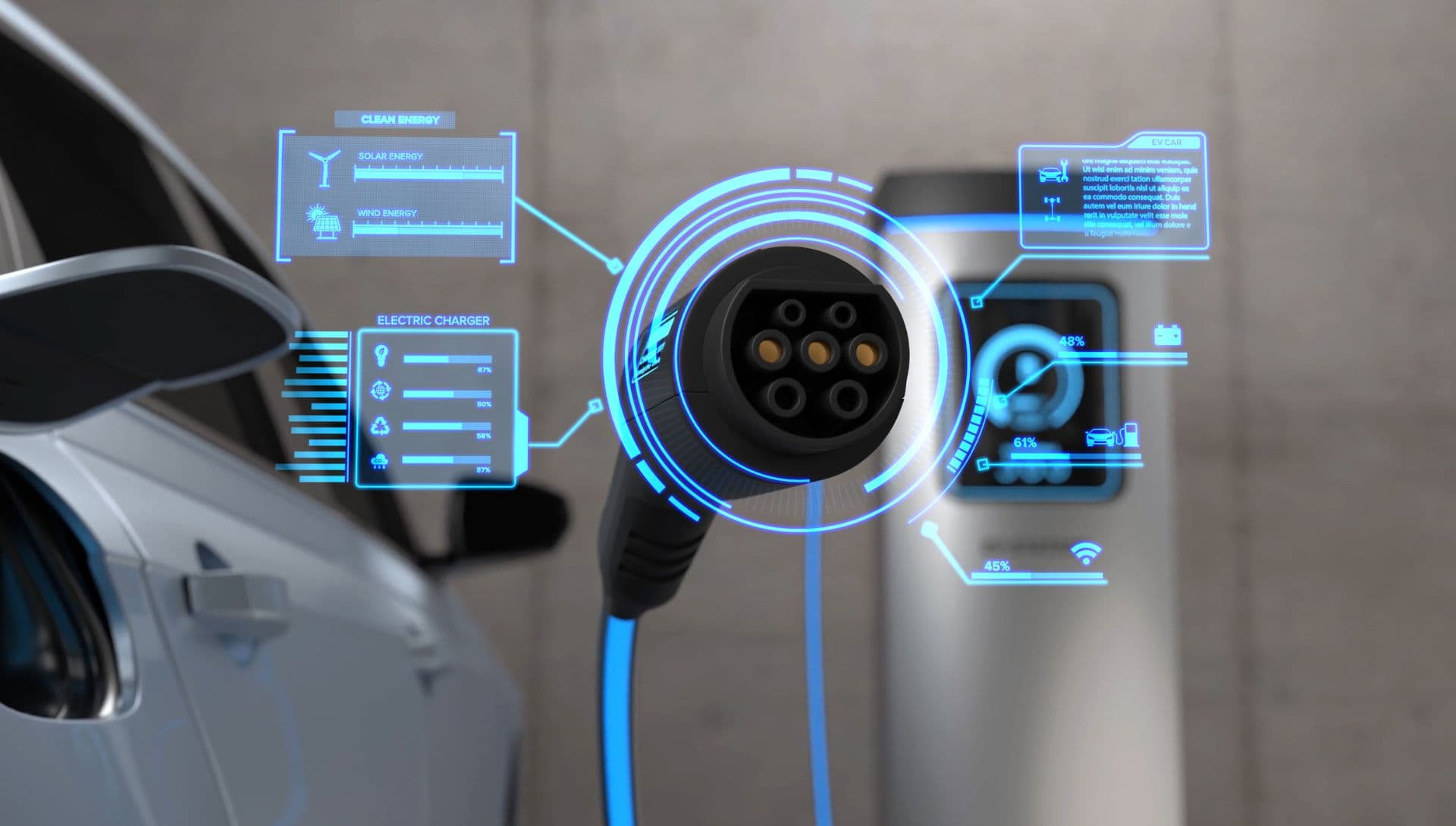
- Electric Vehicles (EVs): Shift from internal combustion engines to battery-powered vehicles
- Autonomous Driving: Development of self-driving technology
- Connected Vehicles: Integration of IoT and digital services
- Sustainability: Focus on reducing emissions and using eco-friendly materials
- Shared Mobility: Rise of ride-sharing and car-sharing services
Careers in the Automotive Industry
The automotive industry offers diverse career opportunities across:
- Engineering and design
- Manufacturing and operations
- Sales and marketing
- Supply chain and logistics
- After-sales service and support
- Digital transformation and software development
Why Understanding the Automotive Industry Helps
Even if you don't work in automotive, understanding this industry helps you:
- Make informed decisions when buying vehicles
- Understand global economic trends
- Recognize career opportunities
- Appreciate the complexity of modern manufacturing
The automotive industry is more than just cars—it's a cornerstone of modern industrial society.
Tags
Share this article

Omnivance Research Team
Dedicated to bridging the gap between education and industry requirements.
Related Courses
Deepen your knowledge with these recommended courses