
Over the past decade, many predictions suggested that physical retail would disappear. With the rapid rise of e-commerce, digital marketplaces, and AI-driven personalization, it seemed inevitable that traditional retail stores would become obsolete. However, the reality has been very different.
Retail has not disappeared. Instead, it has evolved. Today’s retail industry blends physical stores, digital platforms, supply chains, and data analytics into a highly sophisticated ecosystem. Whether someone buys groceries through a quick commerce app, visits a shopping mall, or orders electronics online, they are participating in the same underlying retail value chain.
Understanding this transformation is important for professionals, entrepreneurs, and students because retail remains one of the largest and most influential industries in the global economy.
Retail Is Still One of the Largest Global Industries
Retail is not just about stores. It is the final link between production and consumption in almost every industry.
Every product that reaches consumers: clothing, food, electronics, furniture, cosmetics, or medicine passes through some form of retail channel.
Globally, the retail industry generates trillions of dollars in annual revenue and employs hundreds of millions of people across multiple roles including:
Store operations
Supply chain management
Merchandising
Marketing and customer experience
Logistics and fulfillment
Digital commerce and analytics
Even with rapid technological advancements, the fundamental need for retail has not changed: connecting products with customers.
Digital Has Expanded Retail, Not Replaced It
Many people assume that e-commerce is replacing retail. In reality, digital platforms have expanded the reach of retail rather than eliminating it.
Today’s retail environment includes multiple interconnected channels:
Physical stores
E-commerce platforms
Mobile apps
Social commerce
Quick commerce delivery networks
Subscription and direct-to-consumer models
A customer might research a product online, visit a store to experience it, order through a mobile app, and receive same-day delivery.
Retail companies now operate in what is called omnichannel commerce, where digital and physical channels work together to improve convenience and customer experience.
AI Is Transforming Retail Operations
Artificial intelligence is rapidly reshaping how retail businesses operate. Rather than replacing retail, AI is making it more efficient and intelligent.
Retail companies are now using AI for:
Demand forecasting
Personalized recommendations
Inventory optimization
Pricing strategies
Fraud detection
Customer service chatbots
For example, AI systems can analyze historical purchasing patterns, weather trends, and local events to predict product demand more accurately. This allows retailers to reduce stockouts and minimize excess inventory.
At the same time, AI-powered recommendation engines help customers discover products faster, improving both convenience and sales conversion rates.
The Rise of Quick Commerce
One of the most significant innovations in retail in recent years is the rise of quick commerce. Quick commerce focuses on ultra-fast delivery often within 10 to 30 minutes especially for groceries, daily essentials, and small household items.
Companies are building micro-fulfillment centers close to residential areas and using advanced logistics networks to deliver products almost instantly. This model is transforming customer expectations. Today, convenience and speed are becoming as important as price.
To understand how this new retail model works, professionals can explore programs like the Quick Commerce 101 course, which explains the operational model, supply chain design, and economics behind rapid delivery platforms.
Physical Stores Still Play a Critical Role
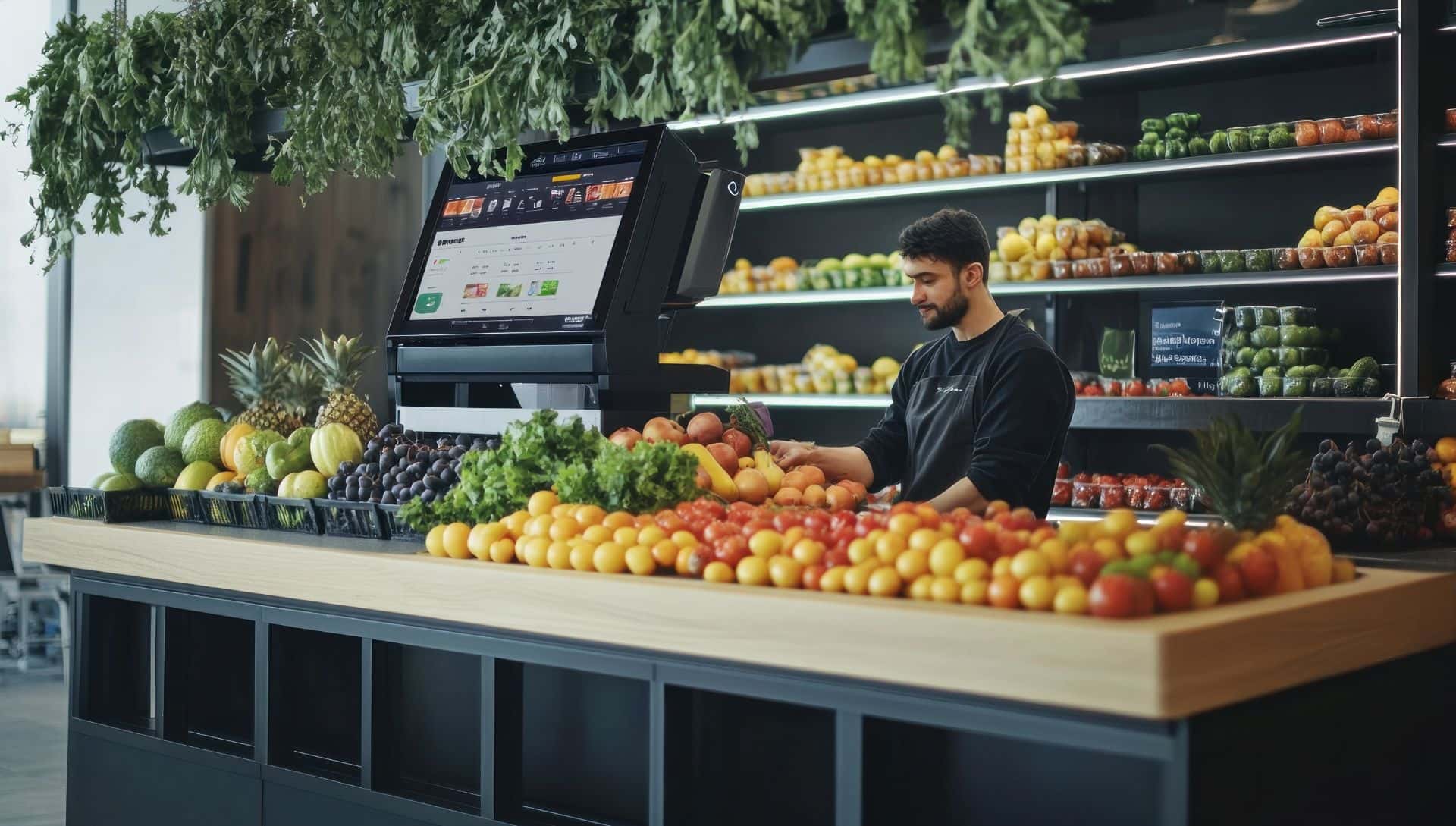
Despite the rapid growth of digital commerce, physical retail stores continue to play an essential role.
Stores provide experiences that digital platforms cannot fully replicate:
the ability to see and try products
immediate product availability
personalized human interaction
brand experience and discovery
Many successful retailers now use stores as experience centers, fulfillment hubs, and customer engagement spaces rather than just transaction points. In fact, several digital-native brands are opening physical stores because they recognize the value of in-person customer engagement.
Retail Is Becoming a Technology-Driven Industry
Retail today is no longer just about selling products. It is increasingly becoming a technology-enabled industry driven by data, analytics, and digital infrastructure.
Modern retail organizations rely on:
advanced supply chain systems
cloud-based platforms
data analytics and AI
automated warehouses
digital marketing technologies
Professionals working in retail today need a combination of business understanding and technological awareness. Learning how retail value chains, pricing strategies, logistics networks, and customer experience models work can provide a significant career advantage.
Courses like Retail Industry 101 help professionals understand how the retail ecosystem operates, how retailers generate revenue, and how different roles contribute to the overall business model.
Retail Careers Are More Diverse Than Ever
The retail industry today offers opportunities far beyond store management or sales roles.
Modern retail careers include positions such as:
retail data analyst
e-commerce strategist
supply chain planner
category manager
retail technology specialist
customer experience designer
As retail becomes increasingly digital and data-driven, the demand for professionals who understand both business operations and technology continues to grow.
Why Retail Knowledge Matters Today
Even professionals who do not directly work in retail often interact with the industry.
Consultants, marketers, data scientists, logistics experts, and technology professionals frequently support retail organizations.
Understanding how retail works helps professionals make better strategic decisions, whether they are launching a product, building a supply chain, or designing customer experiences.
Retail remains one of the most dynamic industries because it constantly adapts to consumer behavior, technology, and market trends.
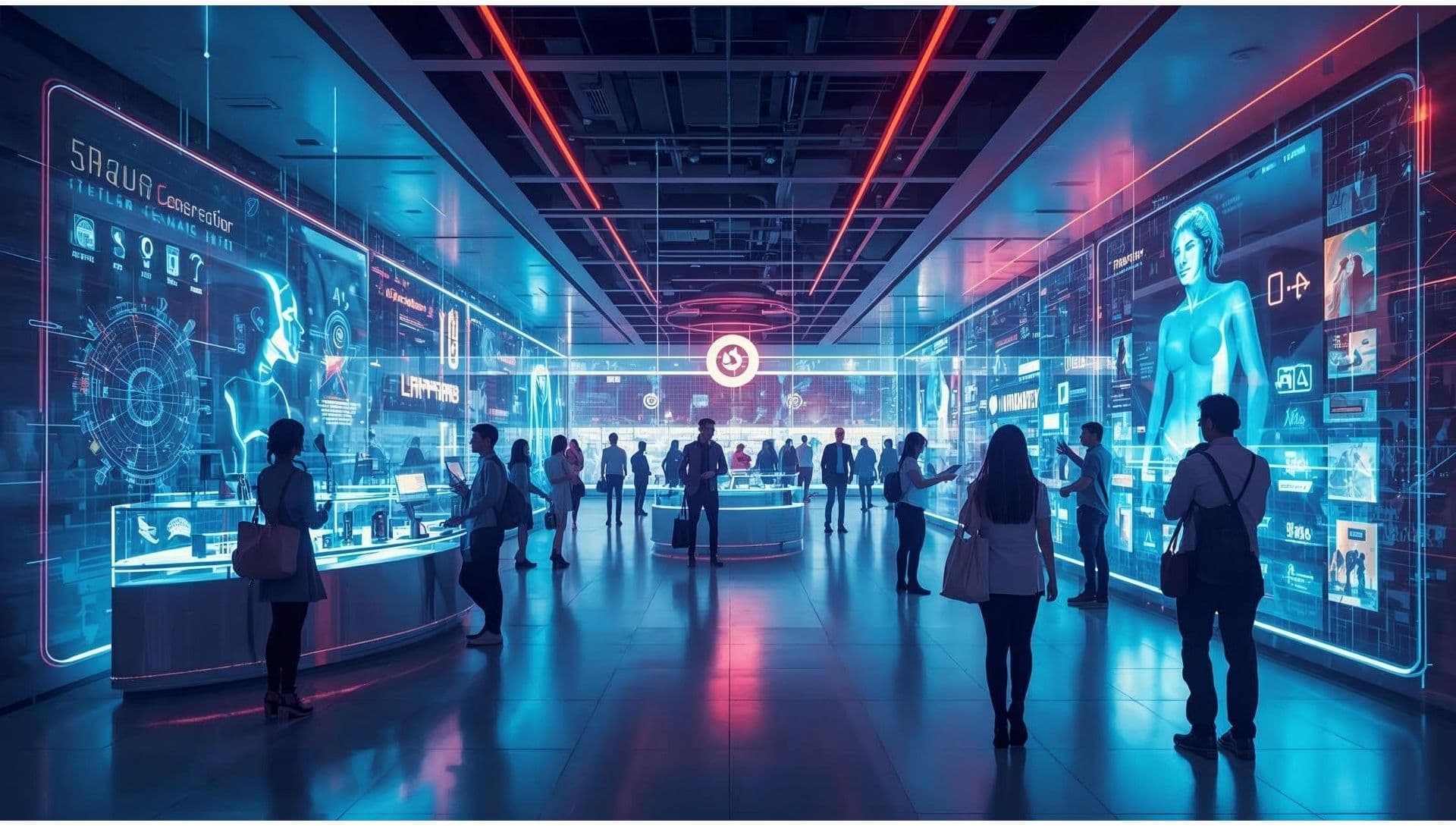
The digital and AI revolution is not eliminating retail, it is reshaping it.
Retail is evolving into a sophisticated ecosystem that combines technology, logistics, customer experience, and data analytics. As quick commerce, AI-driven personalization, and omnichannel retail continue to grow, the industry will become even more important in shaping how products reach consumers.
For students, professionals, and entrepreneurs, understanding how retail actually works can provide a strong competitive advantage.
If you want to understand the structure of the retail industry and how businesses generate value across the retail ecosystem, explore Retail Industry 101 on Omnivance Learning.
And if you are curious about how ultra-fast delivery platforms are changing consumer expectations, the Quick Commerce 101 course explains the business model behind one of the fastest-growing segments of modern retail.
Retail may look different in the digital age but it remains one of the most powerful industries shaping the global economy.
FAQs
Is retail declining because of e-commerce?
No. Retail is evolving rather than declining. E-commerce has expanded retail by adding new digital channels, but physical stores and supply chains remain essential parts of the ecosystem.
What is omnichannel retail?
Omnichannel retail refers to a strategy where physical stores, online platforms, mobile apps, and logistics systems work together to provide a seamless customer experience.
What is quick commerce?
Quick commerce is a retail model focused on delivering products—especially groceries and daily essentials within minutes through localized warehouses and optimized delivery networks.
Is retail a good career today?
Yes. Retail today offers diverse roles across supply chain, data analytics, digital marketing, e-commerce, and retail technology, making it an attractive industry for many professionals.
How can someone learn about the retail industry?
Learning about retail value chains, revenue models, and operational strategies is essential. Structured programs like Retail Industry 101 and Quick Commerce 101 help build foundational industry understanding.
Relevant Articles
Tags
Share this article

Omnivance Research Team
Dedicated to bridging the gap between education and industry requirements.
Related Courses
Deepen your knowledge with these recommended courses