
What Is the Drone Industry?
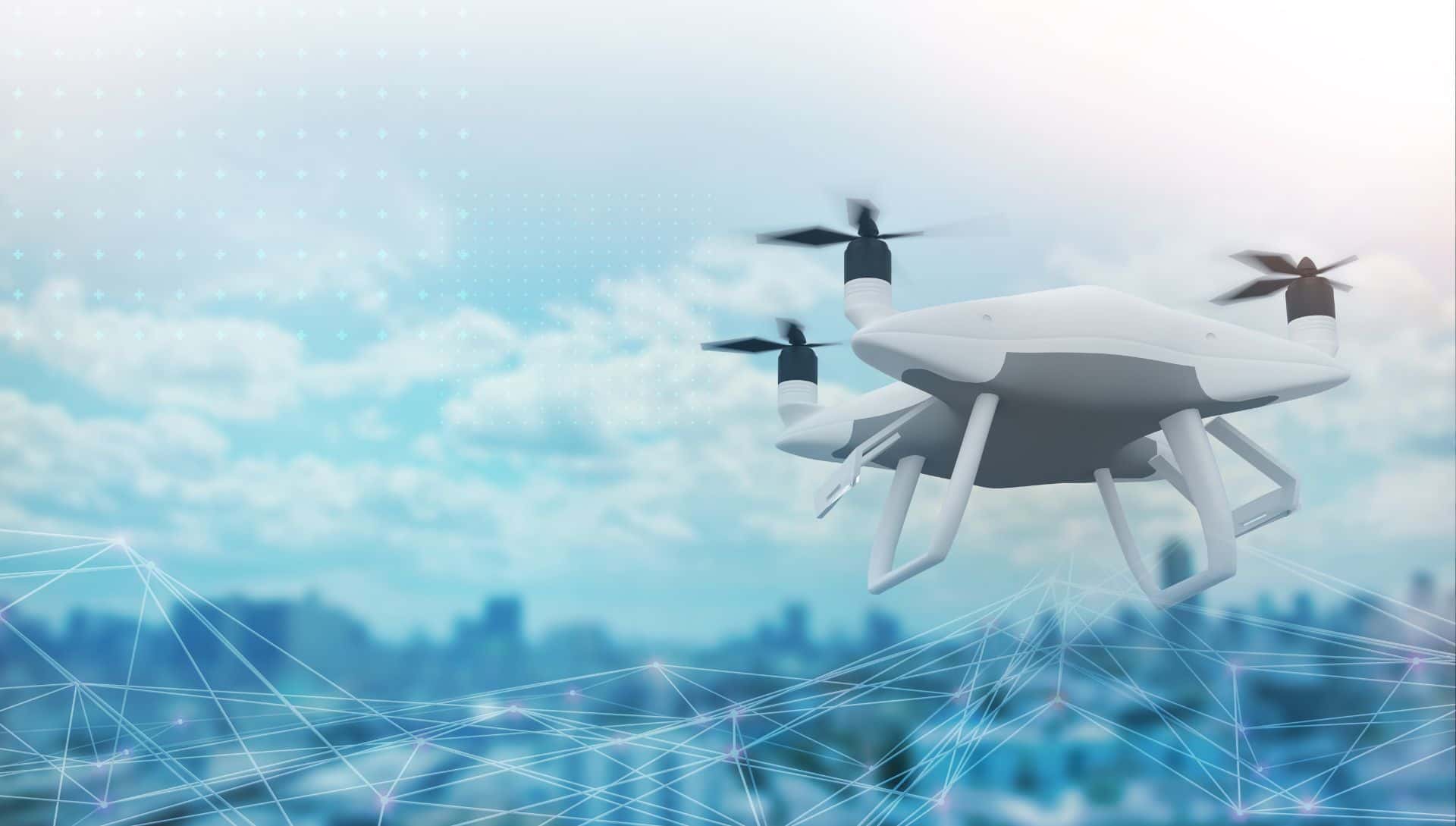
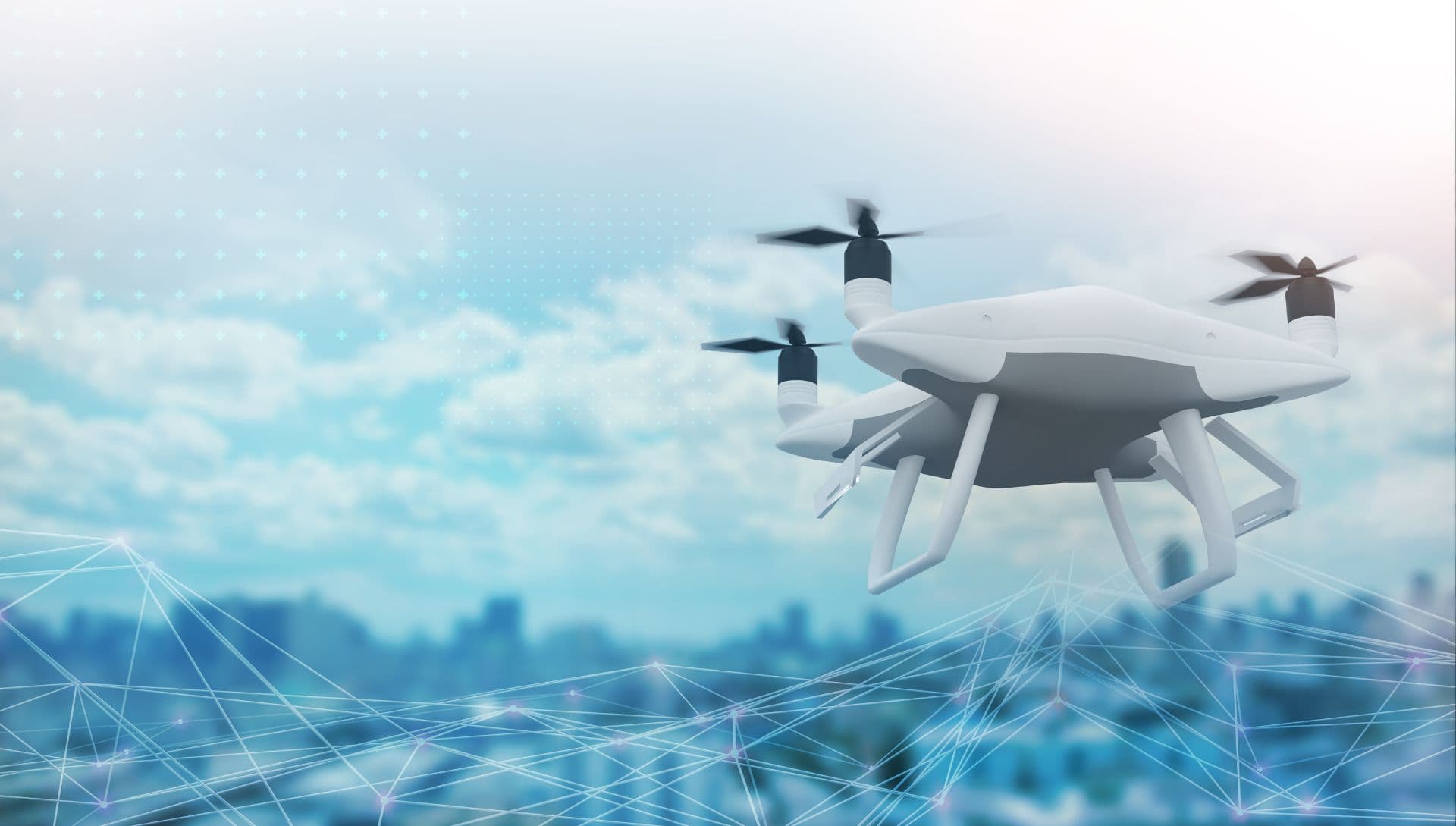
Drones, also known as Unmanned Aerial Vehicles (UAVs) or Unmanned Aerial Systems (UAS), are aircraft that operate without a human pilot on board. The drone industry encompasses the design, manufacturing, operation, and servicing of these systems for commercial, industrial, and consumer applications.
What started as military technology has evolved into a diverse industry serving sectors like:
- Agriculture and farming
- Construction and infrastructure
- Logistics and delivery
- Media and entertainment
- Surveillance and security
- Emergency response and disaster management
Understanding the drone industry means understanding how technology is reshaping traditional industries.
How the Drone Industry Works
The drone industry operates through a structured value chain:
1. Design and Manufacturing
Drone manufacturers design and build:
- Hardware (frames, motors, batteries, sensors)
- Flight control systems and autopilot software
- Cameras and specialized payloads
- Communication and navigation systems
2. Software and Platforms
Beyond hardware, the industry includes:
- Flight planning and mission control software
- Data processing and analytics platforms
- Fleet management systems
- AI and computer vision for autonomous operations
3. Operations and Services
Drone service providers offer:
- Aerial photography and videography
- Surveying and mapping
- Inspection services (infrastructure, energy, telecom)
- Delivery and logistics
- Training and certification programs
4. Regulation and Compliance
The industry operates within frameworks that govern:
- Pilot licensing and certification
- Airspace management and flight permissions
- Safety standards and insurance
- Privacy and data protection
The Drone Value Chain
The drone ecosystem includes several key players:
- Manufacturers: Companies like DJI, Parrot, and specialized industrial drone makers
- Component Suppliers: Providers of sensors, batteries, cameras, and flight controllers
- Software Platforms: Companies offering mission planning, data analytics, and fleet management
- Service Providers: Operators delivering drone-based services to end customers
- Regulators: Aviation authorities setting rules and standards
Why the Drone Industry Matters
Drones are transforming industries by:
- Reducing costs for tasks that previously required helicopters or manual labor
- Improving safety by replacing humans in dangerous environments
- Enabling new capabilities like precision agriculture and rapid delivery
- Providing data and insights that were previously impossible to obtain
- Creating new business models and revenue streams
How Drones Impact Daily Life
You may not see drones every day, but they're increasingly used for:
- Delivering packages and medical supplies
- Monitoring crops and optimizing farming
- Inspecting power lines, bridges, and buildings
- Capturing aerial footage for films and events
- Assisting in search and rescue operations
- Monitoring traffic and infrastructure
Commercial Applications of Drones
Drones are being used across industries:
Agriculture
Farmers use drones for crop monitoring, spraying, and yield optimization.
Construction
Construction companies use drones for site surveys, progress tracking, and safety inspections.
Energy and Utilities
Energy companies inspect pipelines, power lines, and wind turbines using drones.
Logistics
Companies are testing drone delivery for packages, medical supplies, and emergency goods.
Media and Entertainment
Drones capture cinematic footage for films, TV shows, and events.
Key Trends in the Drone Industry
The industry is evolving with trends like:
- Autonomous Flight: AI-powered drones that can fly and navigate without human control
- Beyond Visual Line of Sight (BVLOS): Regulations allowing drones to fly beyond the operator's sight
- Drone Swarms: Multiple drones working together for complex tasks
- Urban Air Mobility: Development of passenger drones and air taxis
- Integration with IoT and 5G: Real-time data transmission and remote operations
Why Drone Margins Are Under Pressure
Despite growth, drone businesses face challenges:
- High competition driving hardware prices down
- Regulatory complexity and compliance costs
- Need for continuous technology upgrades
- Insurance and liability concerns
- Limited battery life and range constraints
Success requires specialization, regulatory expertise, and strong service delivery.
Careers in the Drone Industry
The drone industry offers careers in:
- Drone piloting and operations
- Software development and AI
- Hardware engineering and manufacturing
- Data analysis and mapping
- Sales and business development
- Regulatory compliance and safety
Why Understanding Drones Helps
Even if you don't work with drones, understanding this industry helps you:
- Recognize emerging technology trends
- Identify career opportunities in tech and operations
- Understand how industries are being transformed
- Appreciate the balance between innovation and regulation
The drone industry is still young but growing rapidly—understanding it means understanding the future of automation and aerial technology.
Tags
Share this article

Omnivance Research Team
Dedicated to bridging the gap between education and industry requirements.
Related Courses
Deepen your knowledge with these recommended courses