
1. A simple way to start thinking about it
When you open an app, send an email, watch a movie online, or make a digital payment, everything feels instant. But none of this happens inside your phone or laptop alone. Somewhere in the background, powerful machines are working continuously to make these actions possible.
Those machines live inside data centers.
The Data Center Industry exists to keep digital services running smoothly, safely, and without interruption. In this article, we’ll break down what this industry really is, how it works, why it matters, and whether it’s a sensible career option—using simple language and everyday examples.
2. What Is the Data Center Industry?
In simple terms, the Data Center Industry provides physical spaces where digital systems are stored and operated.
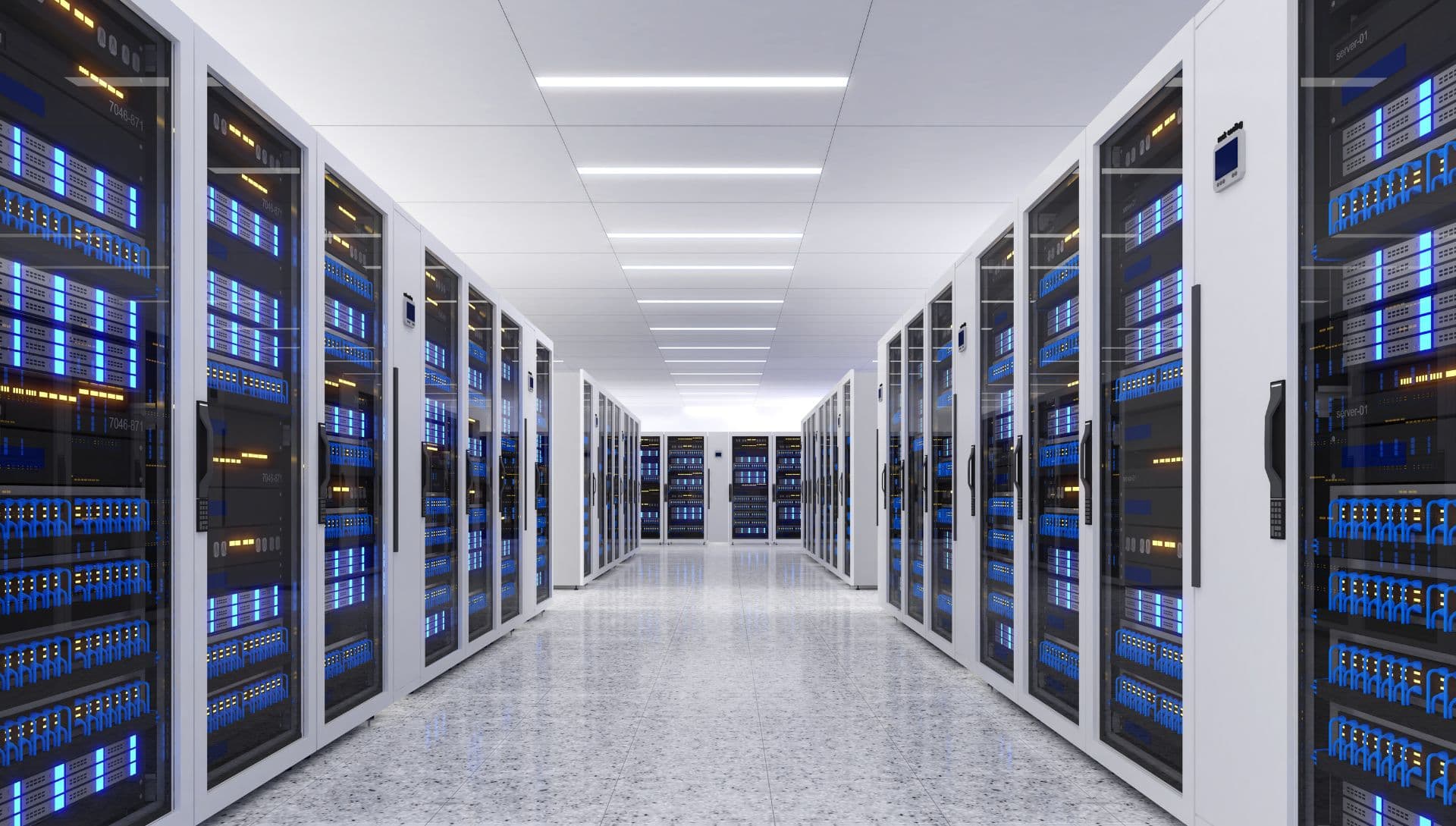
A data center is a specially designed building that houses computers, storage systems, and networking equipment. These computers run websites, mobile apps, company software, payment platforms, and cloud services.
Instead of every company buying and managing its own servers, many rely on data centers to handle this responsibility. The industry ensures three basic things:
- Computers always have power
- Systems stay cool and protected
- Data is accessible 24×7
The industry doesn’t build apps or write software. Its job is to make sure digital businesses can function reliably without worrying about infrastructure failures.
3. How the Data Center Industry Works (End-to-End View)
The Data Center Industry works through a simple but highly disciplined flow.
First comes facility creation. Companies build large, secure buildings designed to handle heavy electricity use and constant cooling. These locations are chosen carefully to reduce risk and improve reliability.
Next is equipment hosting. Inside the facility, servers and networking devices are installed in organized racks. These systems either belong to customers or are provided as part of a service.
Then comes round-the-clock operations. Teams monitor power, temperature, security, and performance at all times. Even a short outage can impact thousands of businesses at once.
Finally, digital access is delivered. Companies and users connect to these systems through networks and the internet, enabling apps, websites, and services to work smoothly.
4. Why the Data Center Industry Matters So Much Today
The modern economy runs on data. As businesses go digital, data centers have become essential infrastructure—similar to roads or electricity.
Banks rely on them to process transactions. Hospitals depend on them for patient records. Retailers need them to manage online orders and supply chains. Governments use them for public services and digital records.
This industry doesn’t depend on trends or buzzwords. Its relevance comes from basic needs: data must be stored securely, processed quickly, and available anytime.
As long as society depends on digital systems, the Data Center Industry will remain critical.
5. How the Data Center Industry Touches Daily Life
You may never visit a data center, but it affects your day constantly.
When you stream music, attend an online class, check your bank balance, or track a delivery, data centers are working in the background. Even traffic signals, airline bookings, and emergency services rely on systems hosted there.
Most people notice data centers only when something goes wrong—when a service is down or slow. When everything works well, the industry stays invisible. That invisibility is actually a sign of success.
6. Is the Data Center Industry a Good Career Option?
For beginners and career switchers, the Data Center Industry offers steady opportunities rather than flashy roles.
Careers exist across many areas: facility operations, IT support, security, compliance, finance, sales, and customer management. Not all roles require deep technical knowledge at the start. Many professionals learn gradually on the job.
The industry values reliability, discipline, and problem-solving skills. However, it also demands responsibility, as systems run 24×7 and downtime can be costly.
For those seeking long-term stability and structured growth, it can be a solid career choice.
7. Why Profit Margins Are Often Under Pressure
Despite its importance, the Data Center Industry faces tight financial realities.
Building and operating data centers requires huge investments. Electricity, cooling, land, equipment, and skilled staff all add up to high ongoing costs.
Customers expect lower prices, better performance, and higher reliability every year. Since many services appear similar, competition pushes prices down.
Regulations around energy usage and data protection also increase expenses. As a result, success depends more on efficiency, scale, and long-term contracts than quick profits.
8. Learn the Industry the Smart Way
The Data Center Industry may seem complex from the outside, but its fundamentals are straightforward once explained clearly. Understanding it helps students, professionals, and business readers make sense of the digital world they use every day.
A structured Data Center Industry 101 approach helps you learn how the industry operates, how money flows, what roles exist, and where future opportunities lie—without drowning in technical details.
If you want clarity instead of confusion, start by learning the industry the smart, structured way.
Tags
Share this article

Omnivance Research Team
Dedicated to bridging the gap between education and industry requirements.
Related Courses
Deepen your knowledge with these recommended courses