
What Is the Manufacturing Industry?
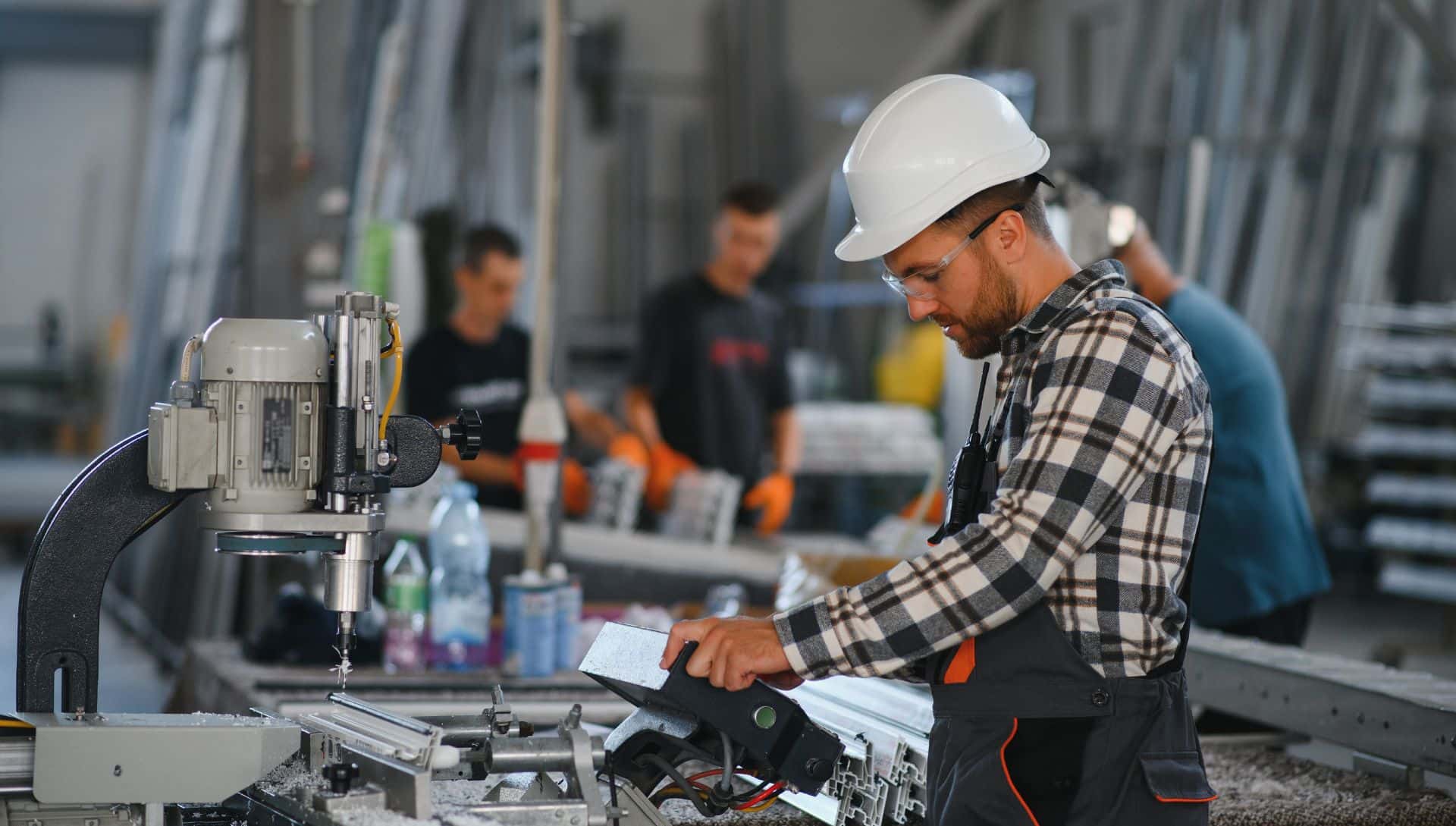
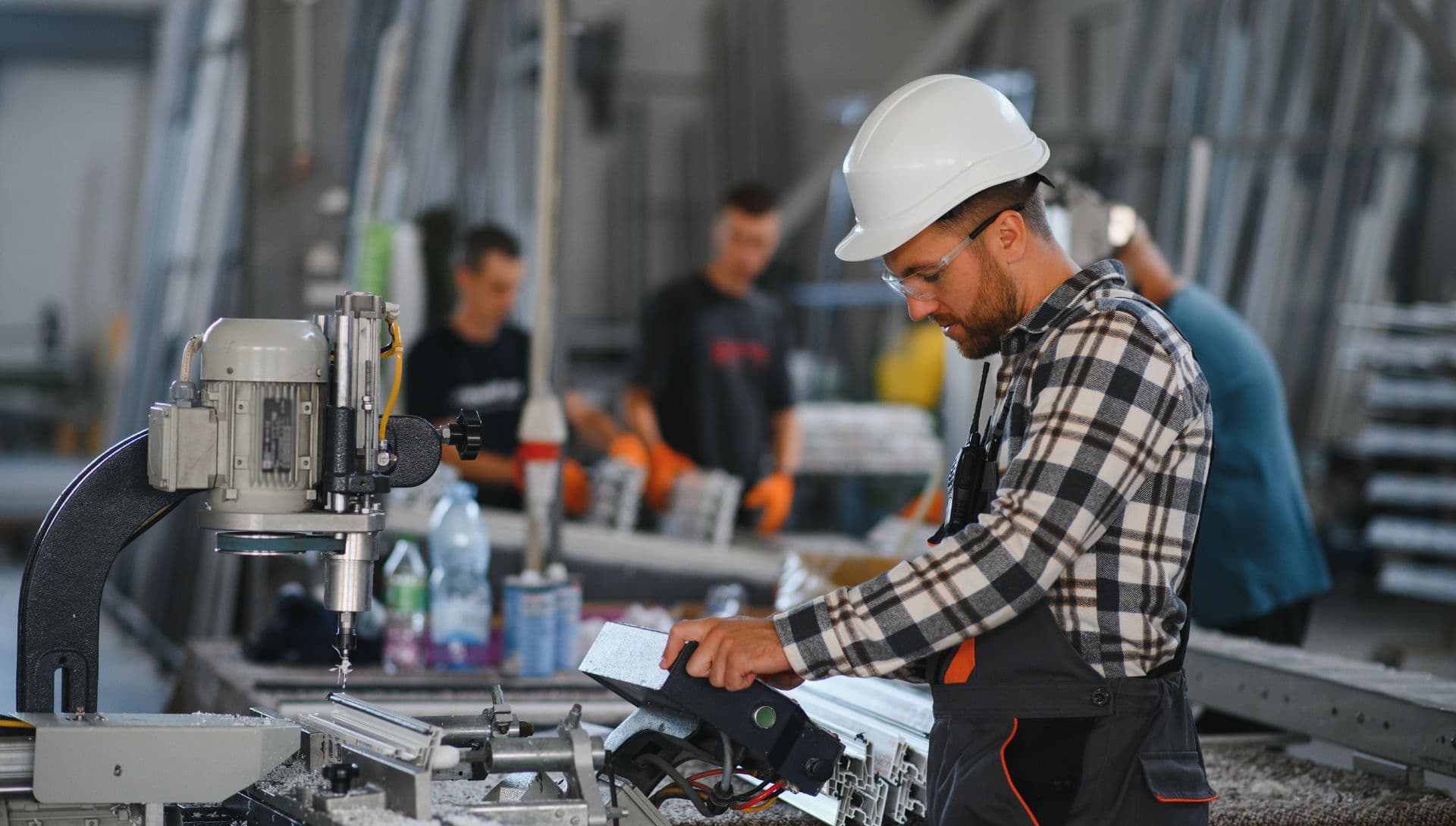
The manufacturing industry transforms raw materials into finished products through processes involving machinery, labor, and technology. From the cars we drive and the phones we use to the food we eat and the clothes we wear-almost everything around us is manufactured.
The manufacturing industry includes:
- Discrete manufacturing (cars, electronics, machinery)
- Process manufacturing (chemicals, food, pharmaceuticals)
- Assembly operations and production lines
- Component and parts manufacturing
- Quality control and testing
- Supply chain and logistics integration
Understanding manufacturing means understanding how the physical world is built at scale.
How the Manufacturing Industry Works
Manufacturing operates through a structured value chain:
How the Manufacturing Industry Works
Manufacturing operates through a structured value chain:
1. Raw Material Sourcing
Manufacturers begin by sourcing:
- Raw materials (metals, plastics, chemicals)
- Components and sub-assemblies from suppliers
- Energy and utilities for production
- Packaging materials
2. Production Planning
Planning teams determine:
- Production schedules and capacity
- Material requirements planning (MRP)
- Workforce allocation
- Equipment and machine utilization
- Inventory levels and safety stock
3. Manufacturing Operations
Production involves:
- Machining, cutting, and forming
- Assembly and fabrication
- Chemical processing and mixing
- Painting, coating, and finishing
- Packaging and labeling
4. Quality Control
Quality teams ensure:
- Inspection at various production stages
- Testing for performance and safety
- Compliance with standards and regulations
- Defect detection and correction
- Continuous improvement initiatives
5. Distribution and Logistics
Finished products are:
- Stored in warehouses
- Shipped to distributors and retailers
- Tracked through supply chains
- Delivered to end customers
The Manufacturing Value Chain
The ecosystem includes several key players:
- OEMs (Original Equipment Manufacturers): Companies producing finished goods
- Tier 1, 2, 3 Suppliers: Component and parts manufacturers
- Raw Material Suppliers: Providers of steel, plastics, chemicals
- Equipment Manufacturers: Companies making production machinery
- Distributors and Retailers: Networks bringing products to market
- Logistics Providers: Companies handling transportation and warehousing
Why the Manufacturing Industry Matters
Manufacturing is critical because it:
- Creates tangible products that drive economies
- Employs millions of workers globally
- Drives innovation in materials and processes
- Supports national security and infrastructure
- Enables other industries to function
- Contributes significantly to GDP and exports
How Manufacturing Impacts Daily Life
You interact with manufactured products constantly:
- Vehicles for transportation
- Electronics and appliances in your home
- Clothing and footwear
- Packaged food and beverages
- Furniture and home goods
- Medical devices and pharmaceuticals
Types of Manufacturing
Discrete Manufacturing
Producing distinct, countable items like cars, phones, and furniture through assembly processes.
Process Manufacturing
Creating products through formulas and recipes, like chemicals, food, and pharmaceuticals, often in continuous flows.
Job Shop Manufacturing
Custom, small-batch production for specific customer orders with flexible processes.
Batch Manufacturing
Producing products in groups or batches, common in food and pharmaceutical industries.
Mass Production
High-volume manufacturing of standardized products using assembly lines and automation.
Key Manufacturing Processes
Machining and Fabrication
Cutting, drilling, milling, and shaping materials using machines and tools.
Casting and Molding
Pouring molten material into molds to create shapes, common in metals and plastics.
Forming and Stamping
Shaping materials through pressure and force, used in sheet metal and automotive parts.
Assembly
Joining components together through welding, fastening, or adhesives to create finished products.
Finishing
Surface treatments like painting, coating, polishing, and heat treatment for durability and appearance.
Key Trends in the Manufacturing Industry
The industry is evolving with trends like:
- Industry 4.0: Smart factories with IoT, AI, and automation
- Advanced Robotics: Collaborative robots (cobots) working alongside humans
- Additive Manufacturing: 3D printing for prototyping and production
- Sustainability: Green manufacturing and circular economy practices
- Digital Twins: Virtual replicas of physical assets for optimization
- Reshoring: Bringing manufacturing back to domestic locations
Why Manufacturing Margins Are Under Pressure
Despite scale, manufacturers face challenges:
- Rising raw material and energy costs
- Labor shortages and wage pressures
- Global competition driving down prices
- Need for continuous capital investment
- Regulatory compliance and environmental standards
- Supply chain disruptions and volatility
Success requires operational excellence, automation, and continuous improvement.
Careers in the Manufacturing Industry
Manufacturing offers diverse career opportunities in:
- Production and operations management
- Industrial engineering and process optimization
- Quality assurance and control
- Supply chain and logistics
- Maintenance and reliability engineering
- Manufacturing engineering and automation
- Health, safety, and environmental compliance
Why Understanding Manufacturing Helps
Even if you don't work in manufacturing, understanding this industry helps you:
- Appreciate how everyday products are made
- Recognize career opportunities in production
- Understand supply chain challenges
- Make informed decisions as a consumer
- Appreciate the complexity of industrial operations
Manufacturing is the foundation of the physical economy—understanding it means understanding how the modern world is built.
Tags
Share this article

Omnivance Research Team
Dedicated to bridging the gap between education and industry requirements.
Related Courses
Deepen your knowledge with these recommended courses